Unlearning to Remember: The Body Knows the Way Back
By Ashley Stachon, Director of Metta Mama
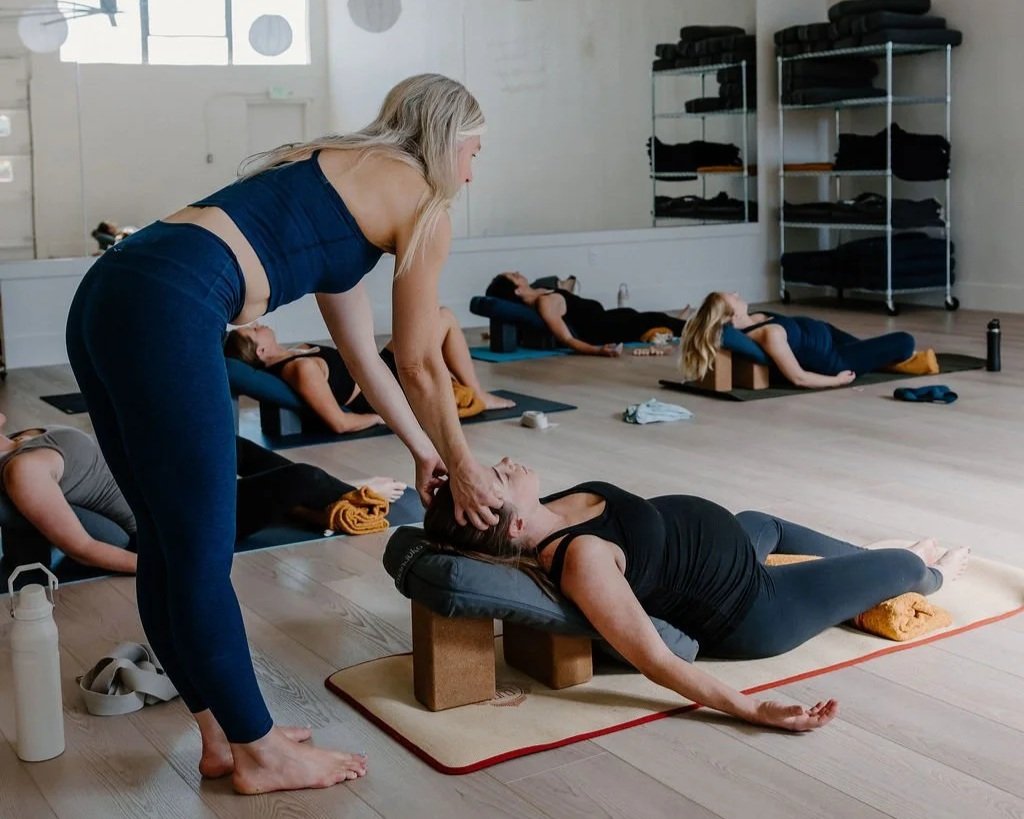
I watch women remember themselves.
They arrive during liminal moments in their lives. Some are hoping to conceive. Some are pregnant. Some arrive with newborns in their arms, or a toddler in tow. Others are moving through the menopause journey. Different chapters, yet the same quiet story surfaces: somewhere along the way, many women stopped trusting their bodies.
This disconnection usually begins early. At puberty we are taught to override our cycles, ignore hormonal shifts, and push through discomfort. We learn to treat our bodies like machines rather than living, cyclical systems.
But a woman’s life is a hormonal journey, and it is all connected. From the first cycle to fertility, pregnancy, postpartum, and through menopause, the body is constantly shifting, asking us to listen, adapt, and honor the wisdom within.
At Metta Mama, we support women through these transitions with fertility yoga, prenatal and postnatal yoga, mom and tot classes, mother’s circles, and workshops. While the stages differ, the work is surprisingly similar.
It often begins with unlearning.
Unlearning that strength means pushing harder.
Unlearning that rest is unproductive.
Unlearning that we must navigate these transitions alone.
And as that unlearning begins, something shifts. Women start to breathe a little deeper. They learn to release the pelvic floor instead of gripping it. Their bodies begin to unwind, creating spaciousness to become curious about thoughts and patterns they may hold. They notice the subtle language of their nervous system and hormones, reconnecting with their felt sense, that quiet inner knowing so many women were taught to silence. We unwind the body from the ground up, releasing tension that becomes habitual from all we are asked to carry.
In these moments, we remember something ancient.
Women have always been healers. Women have always lived in cycles. Women have always learned from one another.
Last month was Women’s History Month, and we celebrated those who broke public barriers. But another lineage deserves honor: the women who gathered, shared knowledge about their bodies, and supported one another through life’s many thresholds.
At Metta Mama, I see that lineage continuing through movement, through breath, one woman remembering herself at a time.
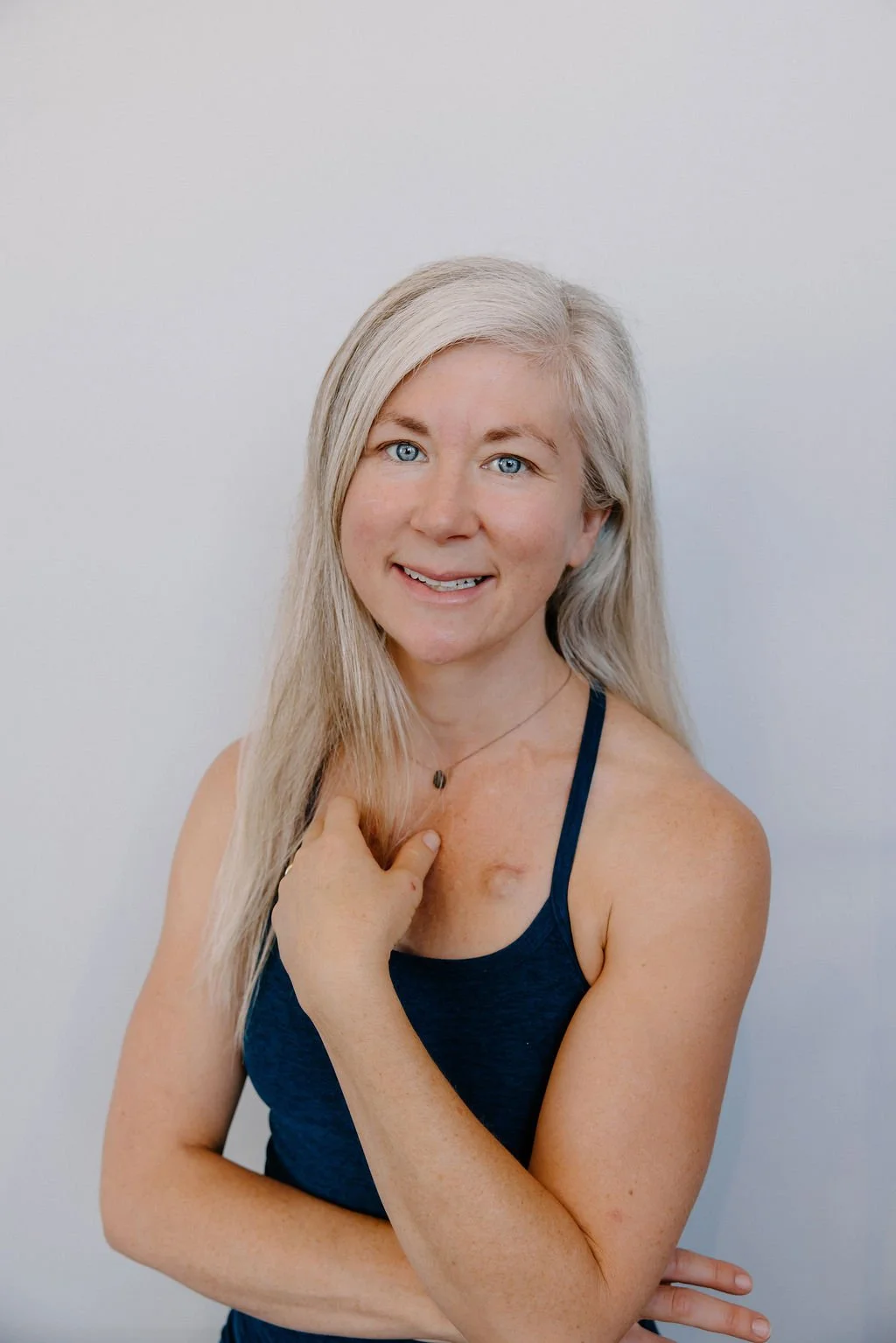
About Ashley:
Meet yourself exactly as you are. This philosophy is at the heart of Ashley’s work. She came to yoga in 2004 as a former competitive gymnast, initially drawn to the physical challenge, and over time discovered a practice rooted in alignment, presence, and nervous system support. She became a certified yoga teacher in 2012, and her path deepened after becoming pregnant in 2016, leading her to specialize in supporting women through fertility, pregnancy, postpartum, and early motherhood.
Ashley is the Director of Metta Mama, where she supports women through the matrescence journey by teaching fertility, prenatal, and postnatal yoga classes and labor support workshops. Her work centers the lived experience of motherhood, holding space for the physical, emotional, and identity shifts that come with conceiving, carrying, and raising children. She also teaches oncology yoga and yoga for healing. Across all of her work, her approach is grounded in nervous system support, helping individuals regulate stress, rebuild trust in their bodies, and move through life’s transitions with greater ease.
After navigating her own breast cancer diagnosis and 14 months of treatment at 43, Ashley experienced firsthand how practices like breathwork, movement, and mindfulness can support healing on every level. This deepened her commitment to helping women cultivate stress resiliency and guiding them home to their felt sense and intuition.
Ashley supports mothers through the daily realities and deeper transitions of motherhood by working from the body up, using somatic practices, breath, and intentional movement to unwind stored tension, regulate the nervous system, and create a felt sense of safety in the body. From this place, long-held patterns and habitual responses that no longer serve can begin to shift, allowing for greater ease, clarity, and sustainable change.