

Metta Blog

Sanskrit 101
Do you find yourself looking around the yoga room when your teacher tells the students to come to utthita hasta padangusthasana? Curious about the difference between chaturanga and ashtanga? Then look no further than the list below, which has ten Sanskrit words to help you learn many poses that are often found in yoga classes.
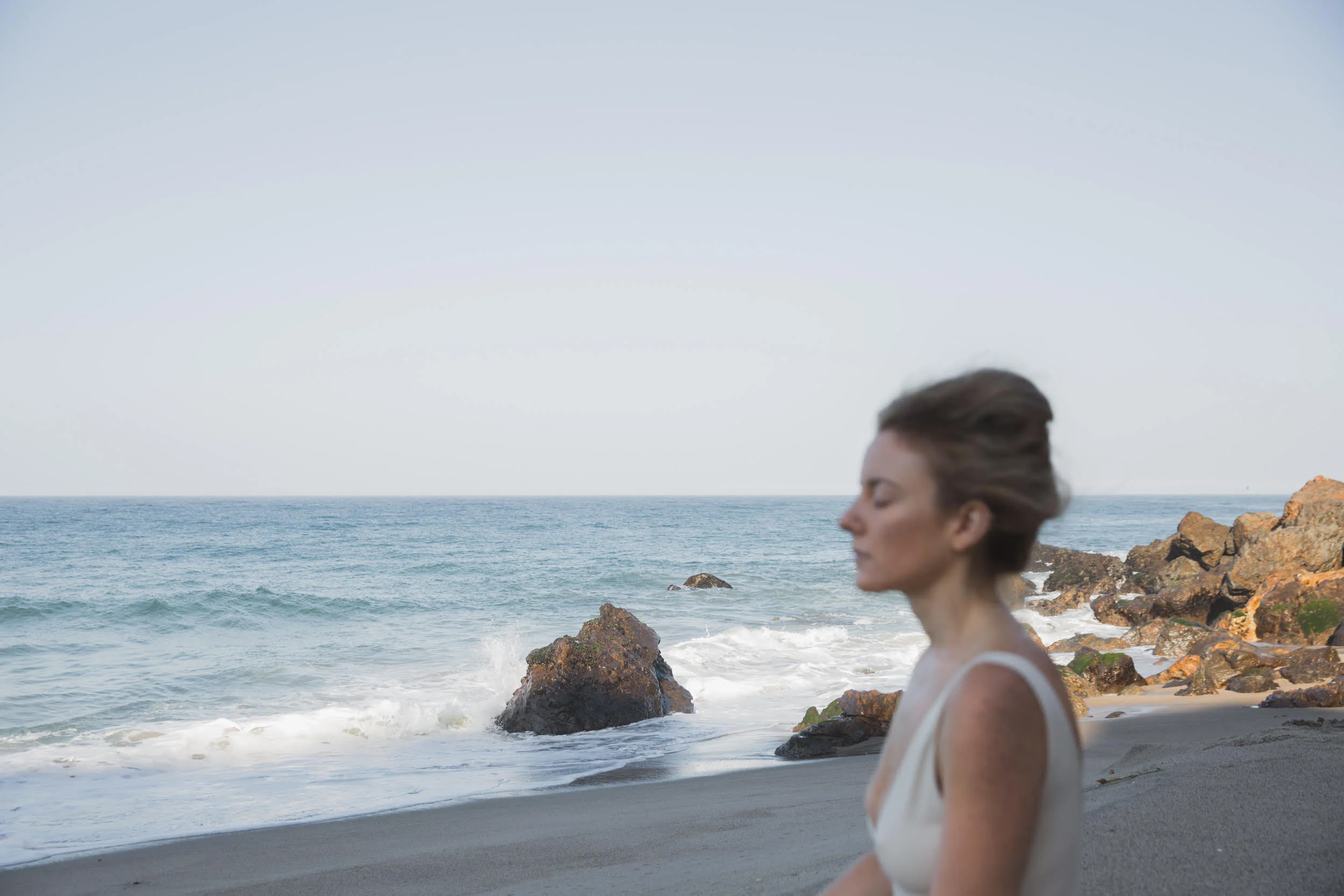
Turning Inward: Samyama
The last three segments (limbs) of aṣṭāṇga yoga - dhāraṇā, dhyāna, and samādhi - are considered the subtler, inner limbs of yoga… three stages in a process called saṃyama or ‘integration’. The five outer limbs serve as preparation for this internal practice: concentrating awareness on something (dhāraṇā), maintaining complete and objective awareness of it (dhyāna), and staying with it until one merges with it (samādhi).

Pratyahara ("Withdrawal of the Senses")
Patanjali’s 5th limb, is often explained as a ‘withdrawing the senses.’ Think of the idea of plugging your ears, closing your eyes, and singing ‘la la la’ when you want to avoid knowing something. But pratyhara is actually much more complex than just shutting everything out. The literal translation means to ‘draw toward the opposite.’ It is an act of redirection, as opposed to removal. A discipline, rather than a deprivation.